To properly explain the differences between goals, strategies, and tactics, it would be best to define each term. Tactics are highly practical things you can do every day, such as creating content for your site, tweeting, emailing, reaching out to other bloggers, editing page titles, scheduling, and keeping appointments, etc. The plan that makes sure all your daily operations—or tactics—contribute to your quarterly, yearly, and monthly business objectives is known as your strategy, also considered a solid broad vision that aims to achieve your pre-established goals and objectives. Lastly, a goal is the intended outcome of someone’s aspirations or efforts. SMART goals use a series of five benchmarks that allow users of the method to create concise goals and action steps.
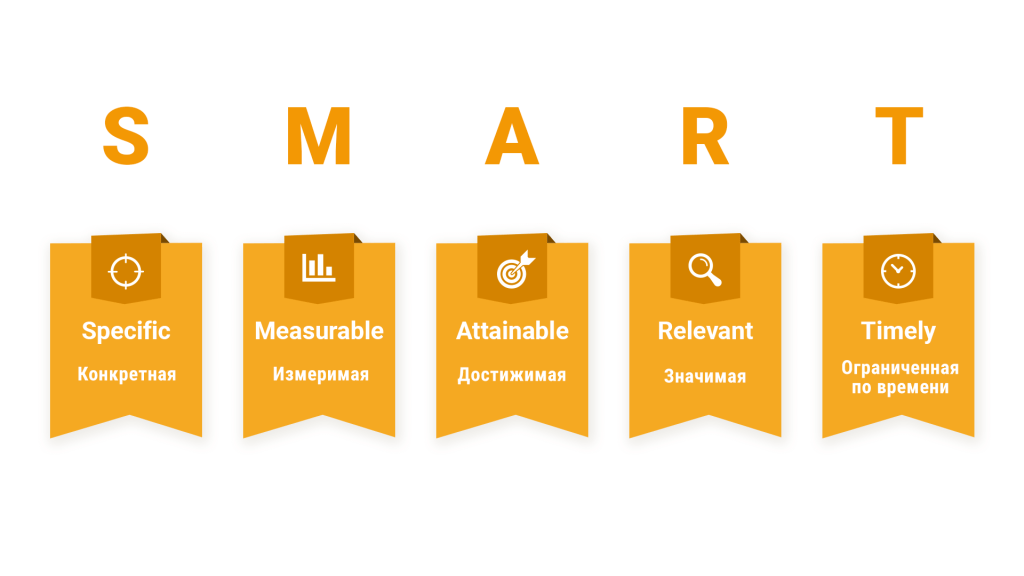
It’s important to set SMART goals when creating a marketing campaign as they will keep you on track and make sure your goals are specific, measurable, actionable, relevant, and time-based. Questions to consider when setting your SMART goals should be tied to those terms, so asking yourself “What do I want to accomplish?” or “What actions will I need to take?” will be great questions to ask when judging how quantifiable or specific a goal is.
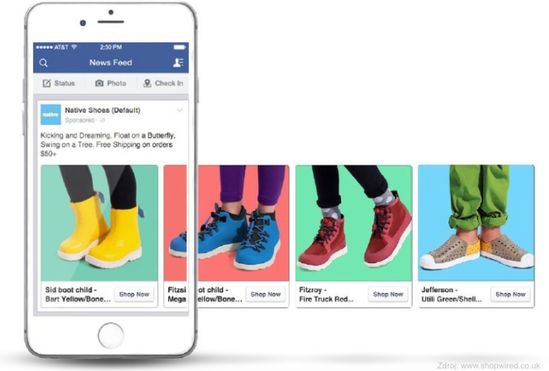
To help us understand the relationship between marketing tactics and strategies, let’s think of a real-world-application-scenario within the world of retail where the strategy might be to use Facebook ads to reach the target audience. With that strategy in mind, a tactic one might use that aligns with that strategy would be to use video and carousel ads to feature close-up images of selected retail items, let’s say shoes.
Setting key performance indicators (KPIs) can help ensure marketing channels are being tracked and are working towards company goals. KPIs for tracking social media can vary by the platform, for example Likes would be a useful KPI when weighing performance for Facebook related campaigns. Views, average view duration and subscribers would be useful metrics to track for YouTube. To gain additional perspective, let’s change the channel and consider some KPIs for direct marketing. A form of direct marketing would be email, and the KPIs you would use to weigh the effectiveness of an email campaign would vary from a social media campaign. A few useful KPIs to consider when reviewing an email campaign would be open rate, click-through rate (CTR) and subscribers. Those are a few examples of how you can ensure that your SMART goals are being met using key performance indicators.

 My Blog